
Breast Augmentation

Duration
60-90 minutes
Downtime
1-2 weeks

Cost
4000-12000$
Lasts for
10-15 years
Setting
Outpatient/ Inpatient
Overview
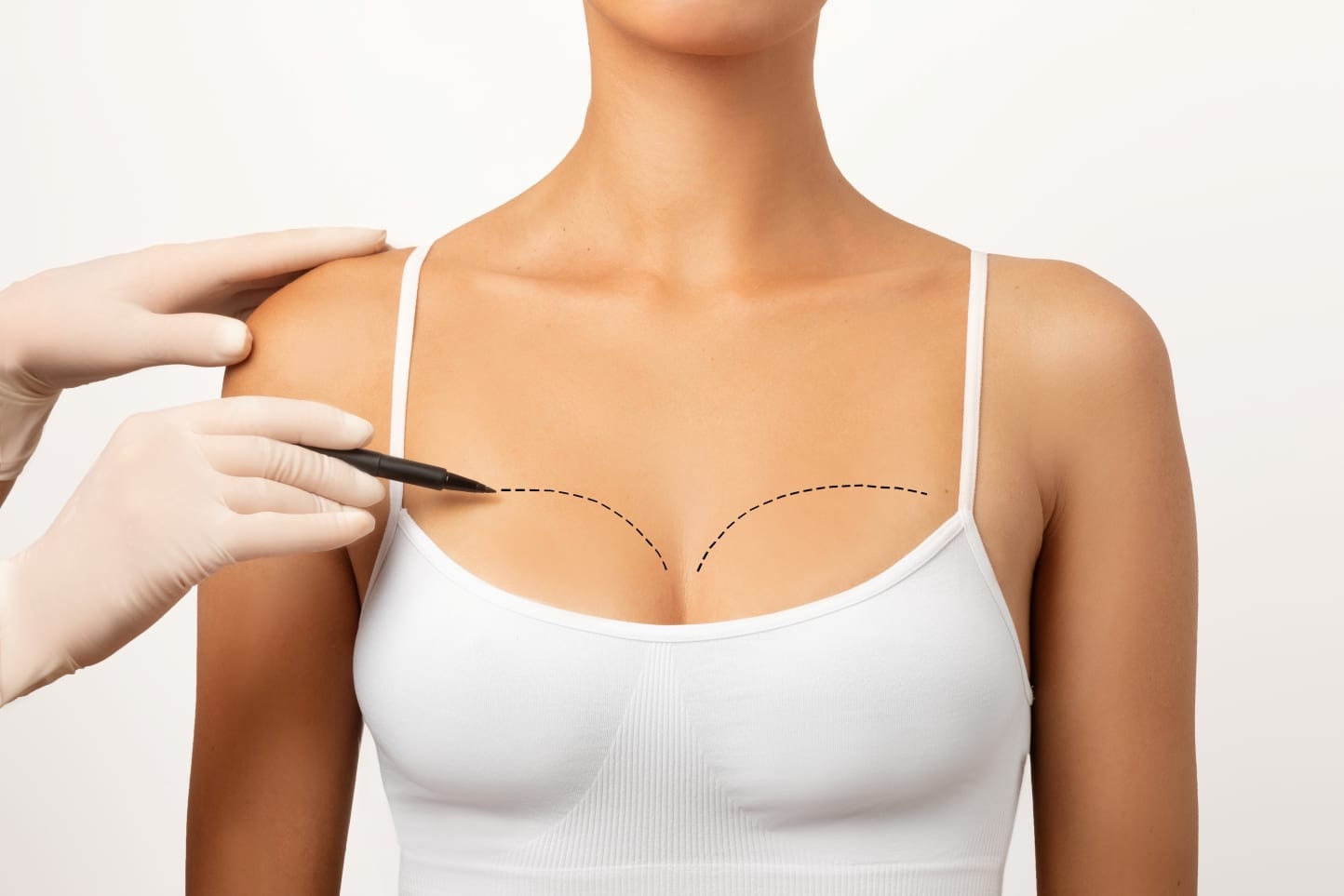
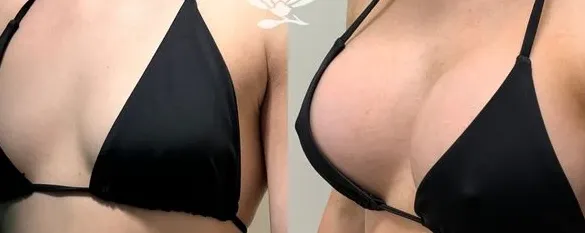
Breast implants can offer the change many are seeking about their body image. What makes this procedure tempting is that if a successful implant surgery was obtained the result would be breasts that move naturally, have a soft feeling, and have no noticed trace of the implant.
Candidates
People usually consider this surgery when they have:
- Small breasts either genetically or after major weight loss.
- Asymmetrical breasts.
- Breast removal surgery because of cancer.
Benefits
High Satisfaction: 90% patient satisfaction.
Improved Social, Psychological, and Sexual well-being: 80-90% of patients.
Long-lasting 10-15 years.
Results
Good Outcomes
- Natural look, feel, and movement.
- Implants match the patient's body frame, creating a proportionate and aesthetic shape.
Undesired outcomes
- Rippling/ Wrinkling
- Rupture or Deflation
- Implant Displacement/Rotation
- Asymmetry and "Fake" Look
- Capsular contracture (Hardening of the breast tissue)
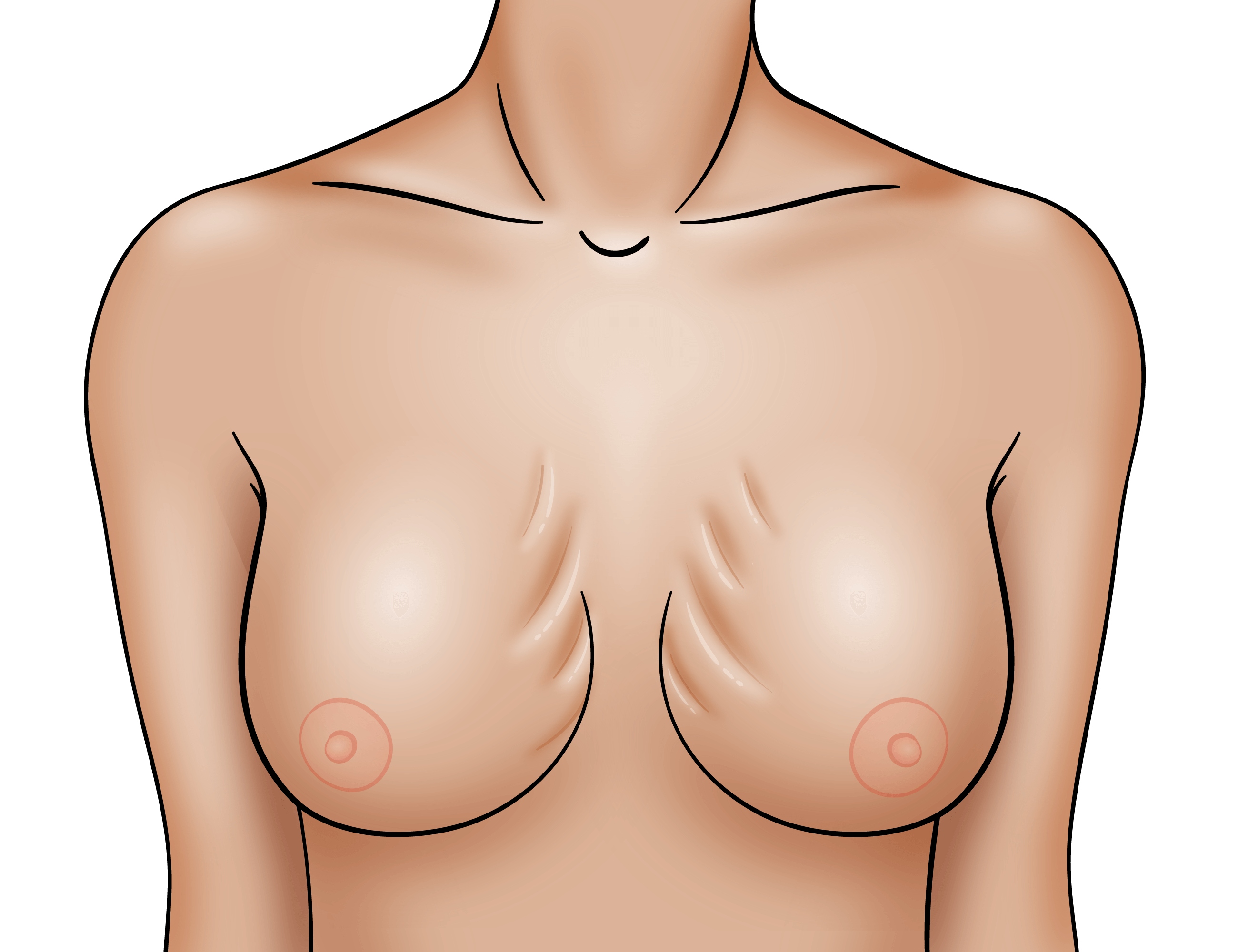
Rippling/ Wrinkling
Rotation and Displacement
Picking Your Implant
Choosing implant type is personalized to each patient. This depends on their body proportions, budget, current breast size, and other factors.
Choosing Filler Material
There are mainly 2 types of implants filler materials, Silicone and Saline. The patient’s choice is made upon the incision site, durability, and treatment cost.
Saline | Silicone | |
|---|---|---|
Patient age (approved by FDA) | 18 or older | 22 or older |
Filler form | Liquid | Gel or Stable form |
Spontaneous Rupture | 5% chance | Does not happen |
Wrinkling of the Breast Area | Possible | Rare |
Visible Implant Folds | Seen more | Seen less |
Incision Size | Short | Longer |
Incision location | Can be inserted remotely | Can’t be inserted from a distance |
Cost | Less | Twice as much |
Hardening of the Breast (Capsular Contracture) | 0.8% | 2.5% |
Popularity among patients | Less popular | More popular |
Choosing Surface Texture
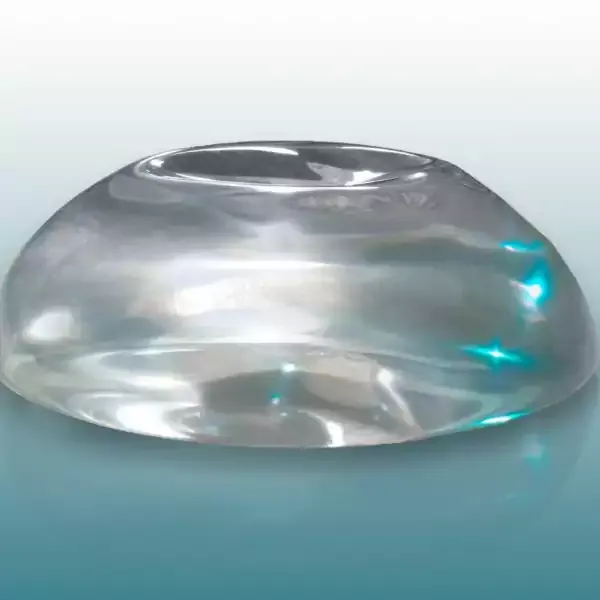
Textured Implants
- Does not rotate
- Associated with rare type of cancer
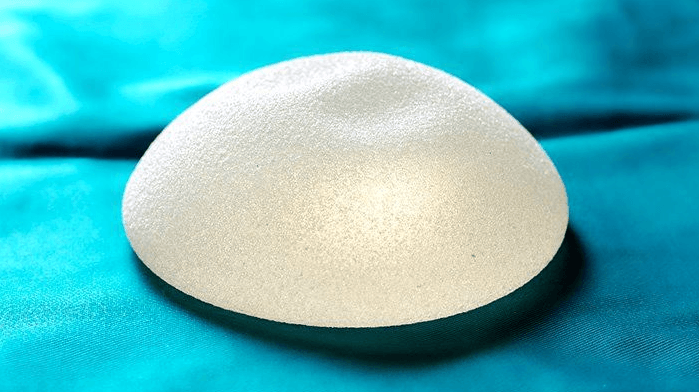
Smooth Implants
- Softer feeling and natural movement
Choosing Implant Shape
Round Implants
- For patients with good breast positioning and symmetry.
- Less likely to rotate, making it a viable option for athletes.
Anatomical Implants
- For patients seeking a more natural breast look.
- Designed to optimally fit the breast shape.
Choosing Implant Size
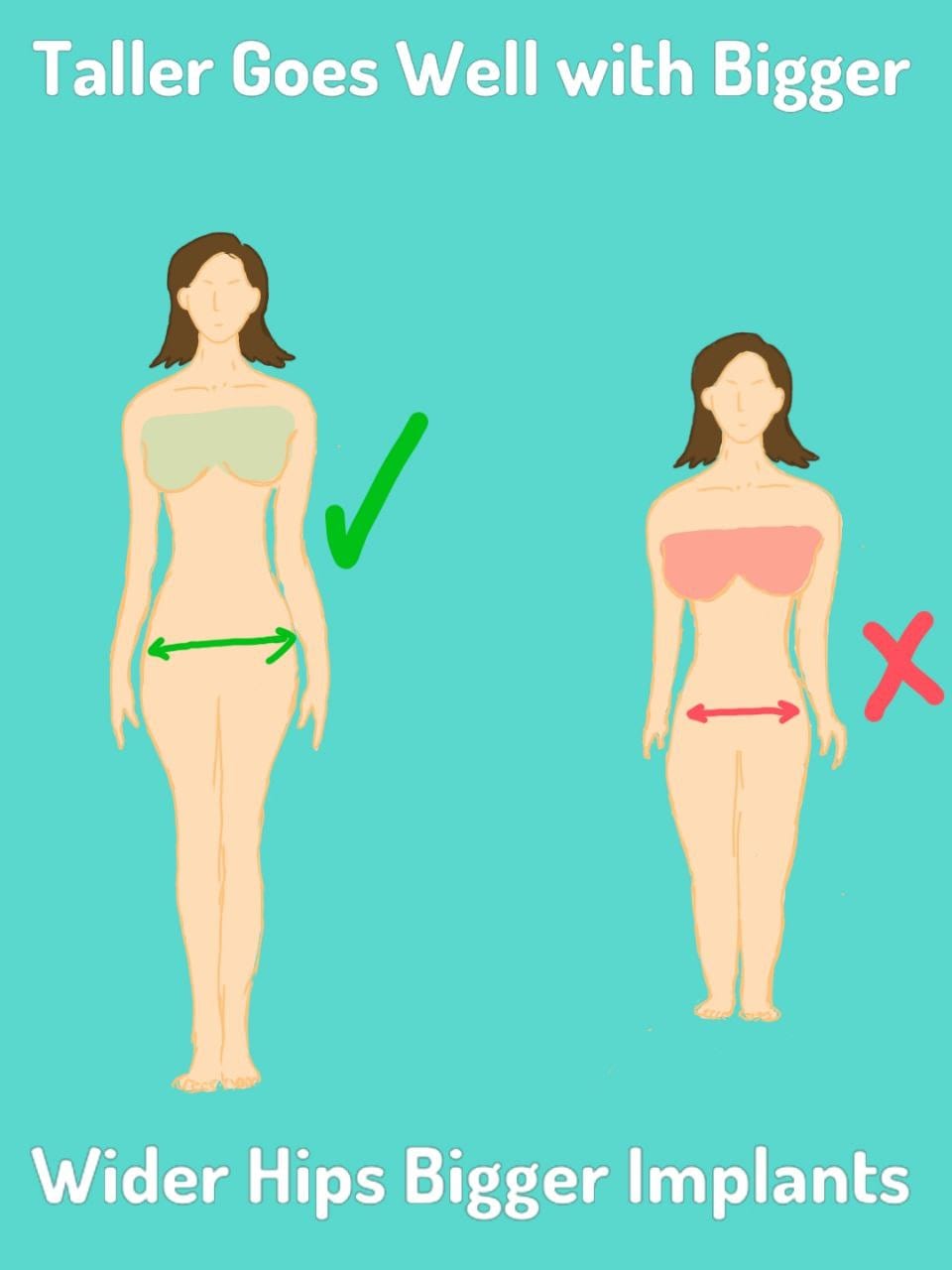
Your surgeon's measurements matter more than any cup size. Use this as a starting point for the conversation, not a prescription.
The single most important number is Breast base width (in cm): The implant's diameter should match — or sit slightly under — your breast base width.
Typical volume by body frame
A rough guide to where most patients land. Your actual range depends on chest width, tissue thickness, and goals.
Petite frame, under 5'3", narrow chest: 200–325 cc
Average frame (Most common) , 5'3"–5'6": 300–400 cc
Tall or broad frame, 5'7" and above: 350–500+ cc
Translating cc to cup size
Cup sizes are not standardized across bra brands, so this conversion is approximate. Roughly 130–200 cc equals one cup size increase.
Starting cup | For 1 cup up | For 2 cups up |
|---|---|---|
A | 200–275 cc | 350–450 cc |
B | 175–250 cc | 325–425 cc |
C | 150–225 cc | 300–400 cc |
Navigation: