
Abdominoplasty (Tummy Tuck)

Duration
2-5 hours
Downtime
2-4 weeks

Setting
Outpatient
Cost
3000-15000$
Overview
Abdominoplasty helps patients who are struggling with excess abdominal skin, whether due to major weight loss or multiple pregnancies. It is an effective way to contour the midsection and achieve a sleeker body look.
Benefits
Excess skin and weak muscles do not only affect the cosmetic look of the body but also contribute to:
- Lower back pain
- Poor posture from weakened core support
- Higher risk of hernias.
Abdominoplasty addresses these issues and restores confidence in the patient's body once again. It helps patients to have more control over their daily lives like bending or exercising more easily and wearing any clothes they desire.
Common Misconceptions
"Abdominoplasty helps me lose weight "
Abdominoplasty is not a weight loss surgery. You should achieve your target weight before undergoing the procedure.
"I won’t gain weight after abdominoplasty"
Abdominoplasty does not prevent future weight gain. Maintaining a stable weight with minimal fluctuations after surgery will be required for long-lasting results.
" Abdominoplasty is the same as Liposuction"
Liposuction only removes excess fat cells. While a tummy tuck addresses muscle weakness and loose skin.
"Abdominoplasty results won’t be affected after pregnancy"
While you can safely get pregnant after getting abdominoplasty without having any extra risk, the aesthetic results might be affected. The flat firm abdomen that you got after abdominoplasty will not look the same after pregnancy. It is better to finish childbearing before considering this procedure.
Procedure Types
Abdominoplasty is an open surgery that involves incisions extending from hip to hip in some patients. The incision size depends on the amount and location of excess skin.
Mini Abdominoplasty
Condition: People with mild weight loss.
Women who had 1-2 pregnancies with minimal redundant skin.
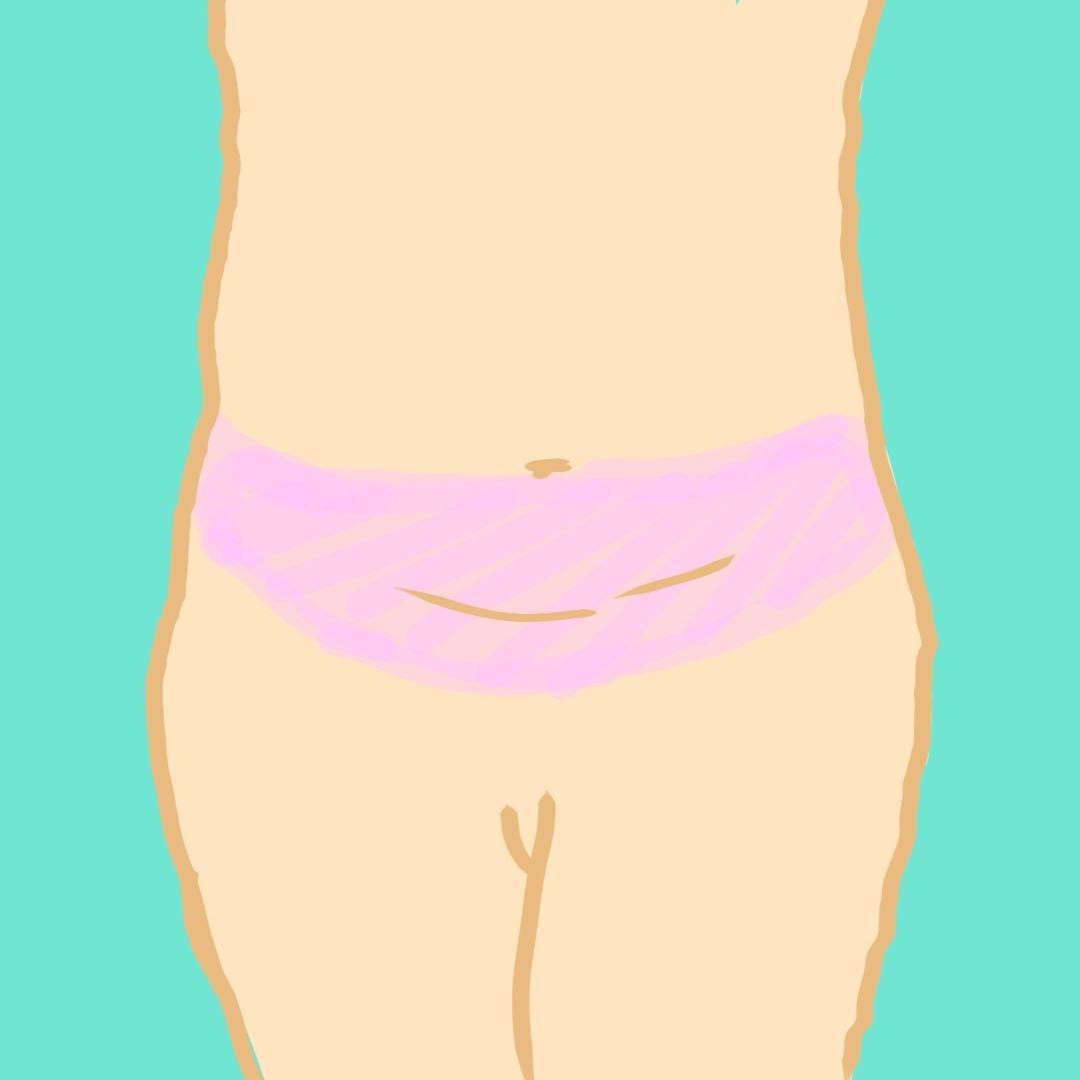
Incision site: Lower abdomen (below the belly button)
Panniculectomy
Condition: People who have redundant skin without muscle weakness.
.jpg&w=3840&q=82)
Incision site: Lower abdomen (below the belly button)
Full Abdominoplasty (standard)
Condition: People with diffuse excess fat across the abdomen and weak abdominal muscles.
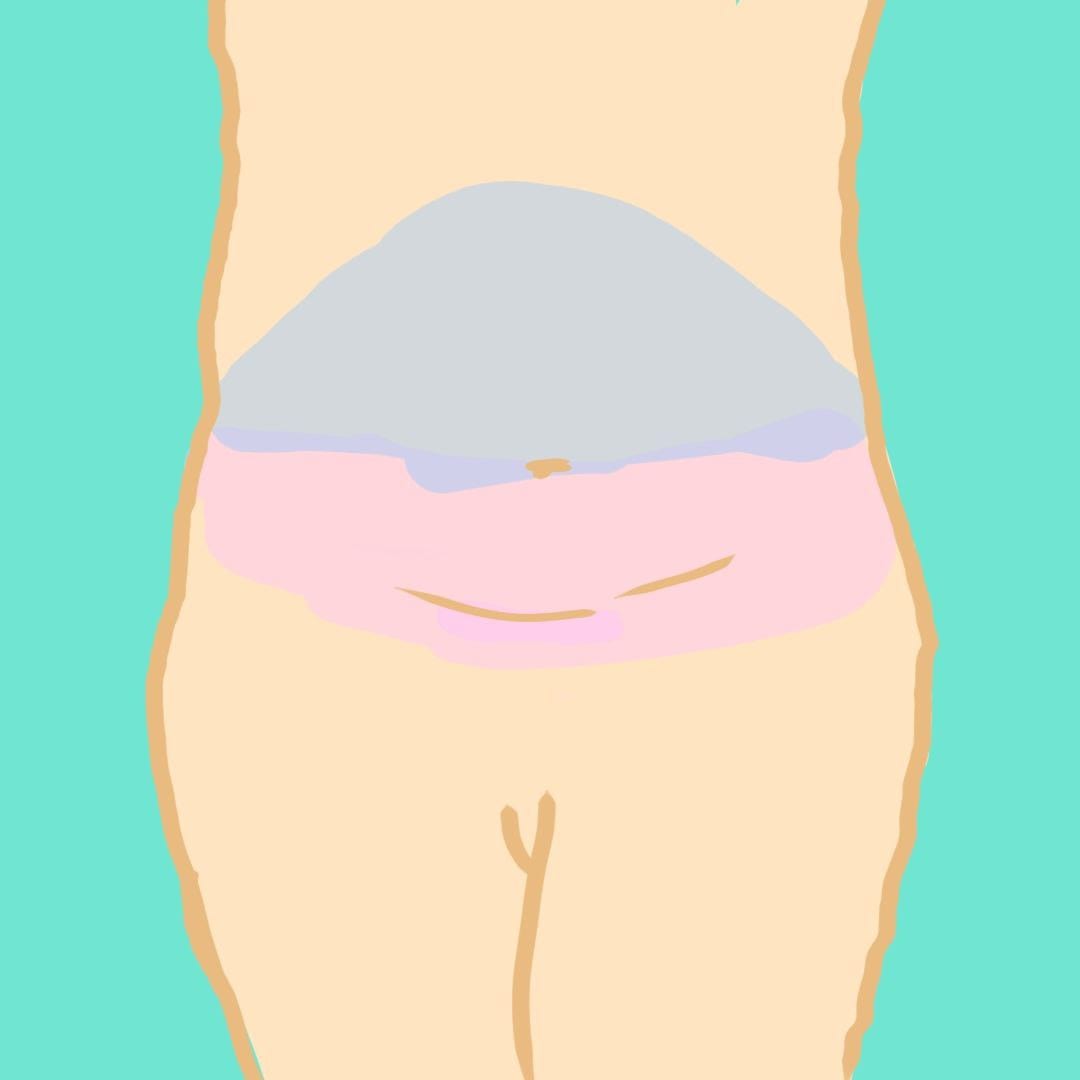
Incision site: Upper and Lower abdomen (from hip to hip)
Extended Abdominoplasty
Condition: People with significant excess fat around the sides and lower back.
.jpg&w=3840&q=82)
Incision site: Abdomen, flanks, and upper hips
Fleur-di-Li Abdominoplasty
Condition: People with excessive skin redundancy across the abdomen.
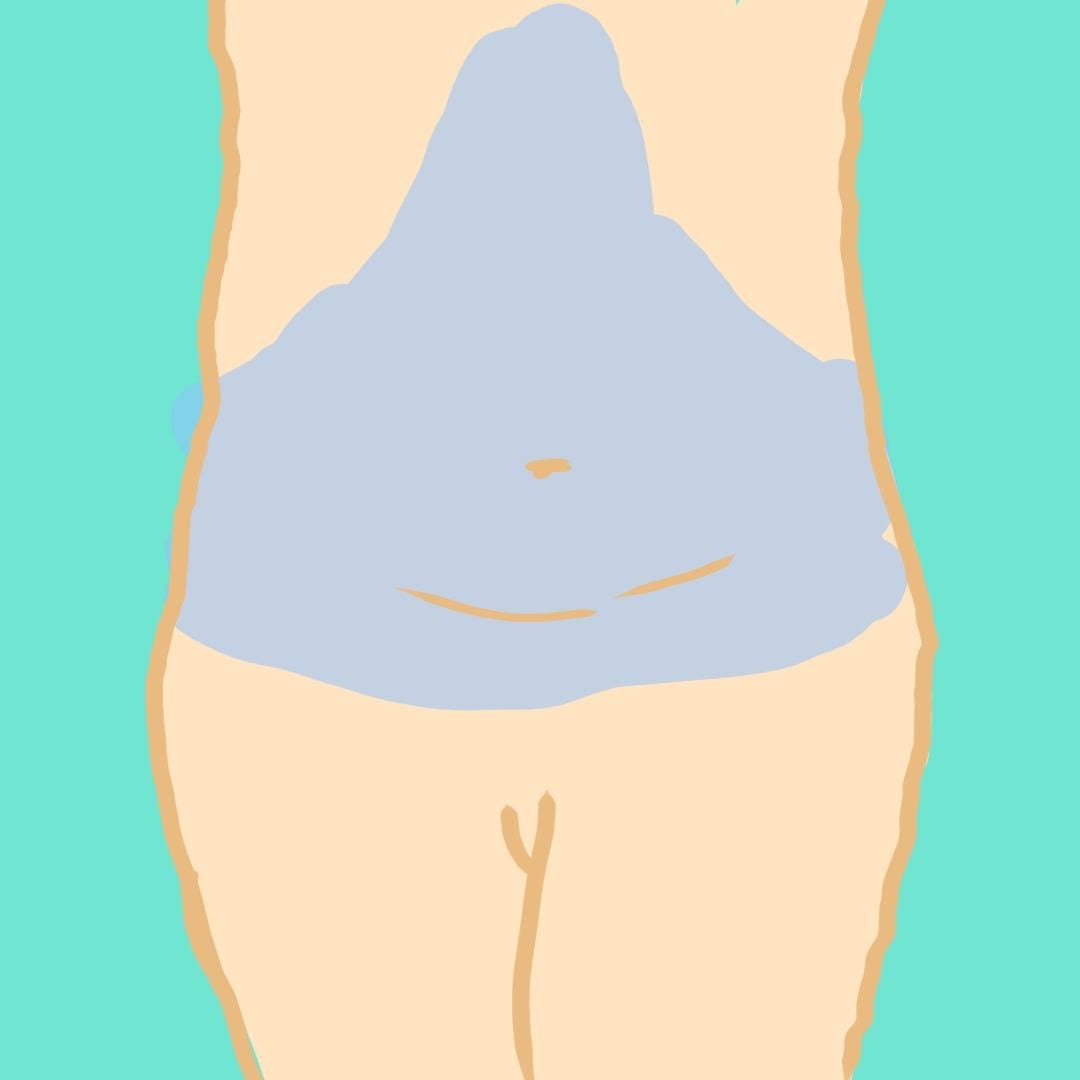
Incision site: Full abdomen (from chest bone to pubic area and from hip to hip)
Combination Therapy
Abdominoplasty can be combined with several cosmetic procedures:
- Liposuction (the most common one)
- Thigh lift
- Breast surgery
- Hernia repair
- Lower back lift
This approach will protect the patient from undergoing multiple surgeries and will reduce downtime.
Risks
Abdominoplasty is generally considered a safe procedure. Some complications may arise, but are typically minor and temporary.
Complication | Rate |
|---|---|
Fluid accumulation | 10-15% (can reach 31.2 % if combined with liposuction). |
Persistent pain | 9% |
Localized death of skin cells | 3-4% |
Infection | 1-4% |
Sensory skin changes | 1-2% |
Anesthesia
General Anesthesia
Used for: The standard approach. It is used for full, extended, and fleur-de-lis abdominoplasties.
How you'll feel: Completely asleep with a breathing tube; no awareness or sensation. You may feel groggy, nauseated, or have a sore throat when waking up.
Local anesthesia + sedation
Used for: Mini abdominoplasty or limited-dissection cases in healthy patients.
How you'll feel: Drowsy and relaxed but breathing on your own; the abdomen is numbed.
Results
>90% of patients are satisfied with their results. The flat, contoured profile patients hope for is partially visible early on, but swelling and bruising delay the final results for 6-12 months to fully appear.
Navigation: